
How to Build an Emergency Fund from Scratch
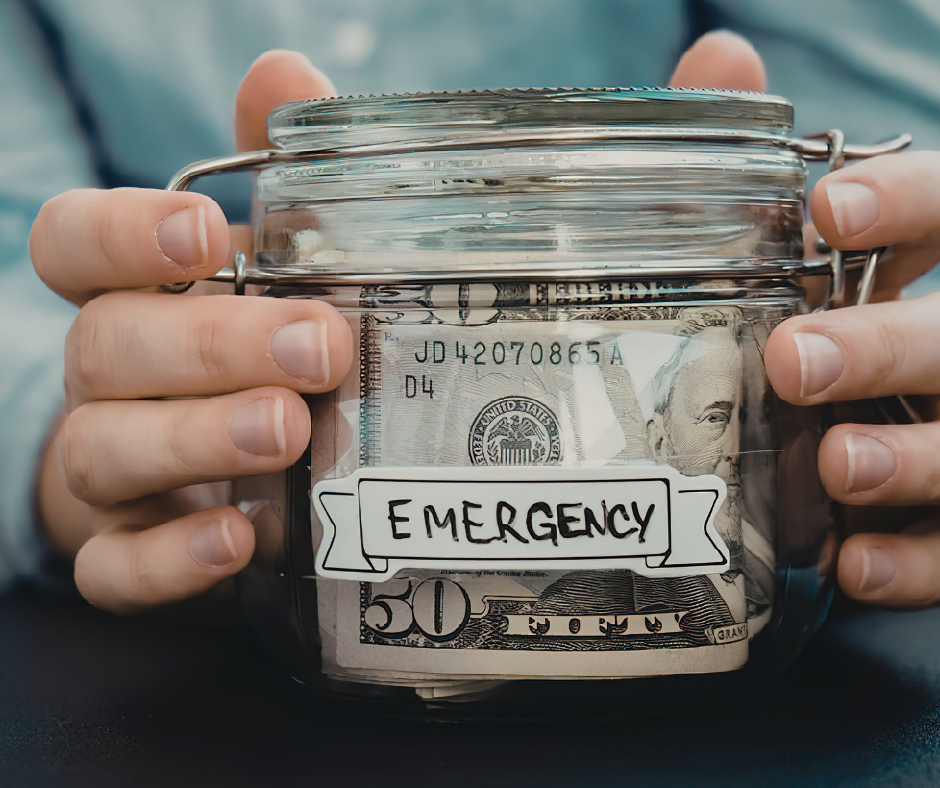
Life is full of surprises, and some of them come with unexpected expenses. From car repairs to medical bills or job changes, having a financial safety net can make all the difference. That’s where an emergency fund comes in.
If you’re starting from zero, don’t worry. Building an emergency fund is more doable than you think. With the right plan and a little consistency, you can start building your emergency fund today.
What Is an Emergency Fund?
An emergency fund is money set aside specifically for unplanned expenses. It’s there to protect you when life throws the unexpected your way.
Think of it as your financial cushion.
Step 1: Start Small (Seriously)
One of the biggest misconceptions is that you need thousands of dollars right away. You don’t.
Start with a simple goal:
$500 for immediate emergencies
Then build toward $1,000
Eventually aim for 3–6 months of living expenses
Even setting aside $10–$20 a week is a powerful first step.
Step 2: Make It Automatic
The easiest way to save? Take the decision out of it.
Set up automatic transfers from your checking account to your savings account. Treat it like a bill you pay yourself.
Consistency matters more than the amount. Our Round Up Savings program is a great way to start having small, automatic savings.
Step 3: Cut Back (Just a Little)
You don’t have to completely change your lifestyle, but small adjustments can add up fast.
Consider:
Skipping a few takeout meals each month
Canceling unused subscriptions
Rounding up purchases into savings
Redirect that extra money straight into your emergency fund.
Step 4: Keep It Separate
Your emergency fund should be easy to access, but not too easy.
Keep it in a separate savings account so you’re not tempted to dip into it for everyday spending. This helps you stay disciplined and ensures the money is there when you truly need it.
Step 5: Use It Only for True Emergencies
It can be tempting to tap into your savings, but try to reserve your emergency fund for real needs, like:
Medical expenses
Urgent home or car repairs
Unexpected job loss
If you do need to use it, that’s okay — that’s what it’s there for. Just make a plan to rebuild it when you can.
Step 6: Celebrate Milestones
Saving money takes effort, so don’t forget to recognize your progress.
Hit your first $100? That’s a win.
Reached $1,000? Huge accomplishment.
Celebrating small milestones can keep you motivated to continue.
You’ve Got This
Building an emergency fund from scratch might feel overwhelming at first, but every dollar you save brings you one step closer to peace of mind.
Start small. Stay consistent. And remember—your future self will thank you.
Ready to Get Started?
Opening a dedicated savings account is a great first step toward building your emergency fund. Look for options with no minimum balance and easy transfer tools to help you stay on track. We also have FREE Credit Counselors who are ready to help you on your financial journey. Schedule an appointment today!